
Build Like LEGO: Is Construction Ready to Innovate Boldly?
Imagine walking into a kid’s room where LEGO bricks don’t just snap together — they respond. Movement, mistakes, new ideas: light, sound, feedback. LEGO’s SMART Play system is turning building blocks into something closer to an interactive platform. And it’s a useful reminder that innovation isn’t confined to labs or boardrooms. Sometimes it begins on the floor, with a pile of pieces and a kid trying to build something that’s never existed before.
That matters, because the skills LEGO helps develop - spatial reasoning, sequencing, problem-solving and pride in making something real - are the foundations of the skilled trades. Kids intuitively get that building and assembling and improving things is exciting.
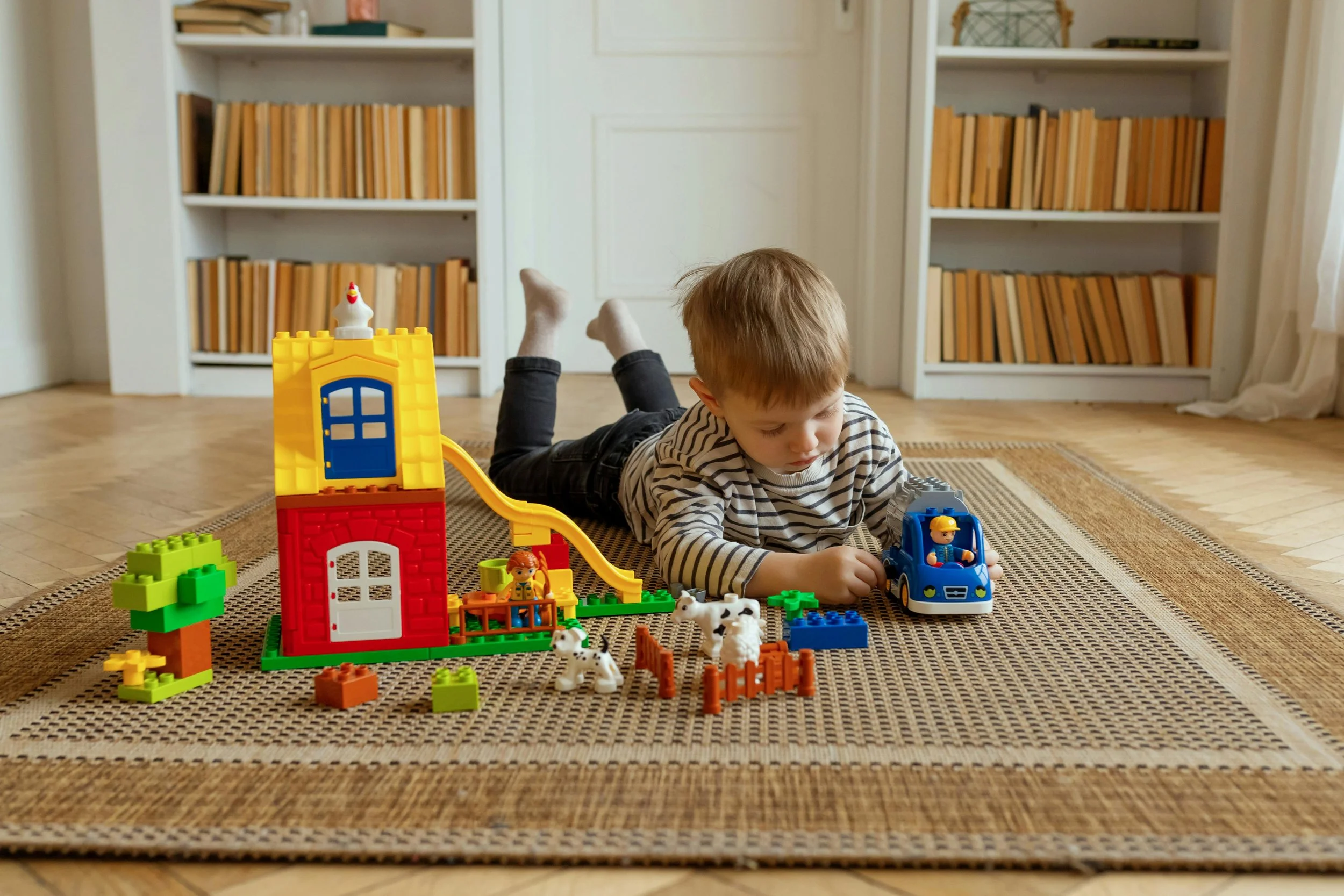
And yet, when many of those kids grow up and step onto a construction site, too often the tools and workflows feel stuck decades in the past: paper plans, manual measurements, site trailers that haven’t changed since the 1980s. The industry faces more than a productivity problem; it faces an inspiration problem. We’re failing to inspire the next generation of builders with the same imagination and energy they grew up with.
LEGO’s Play Revolution
LEGO’s SMART Play system packs sensors, custom chips, wireless charging, audio, motion detection, and positioning tech into familiar bricks. Each piece understands how and where it connects to others (and accessories such as minifigs) so physical builds become interactive adventures. They’ve launched it through recognizable IP like Star Wars, lowering the barrier to entry and encouraging kids to experiment immediately.
Just as importantly, LEGO didn’t innovate by abandoning what made LEGO LEGO. They protected backward compatibility. Every new smart brick snaps perfectly onto your old Millennium Falcon from 1999. They didn’t try to force a new ecosystem. Instead, they poured years into prototyping and custom silicon development to EVOLVE the ecosystem. It’s almost as if they learned from real life failures such as Katerra and Factory OS who tried to change too much, too fast.
Construction Is Stuck in the Mud — Lessons From the Brick Masters
The construction industry could borrow a few tricks from LEGO to snap out of its innovation malaise.
Smart, connected components
Imagine wall panels, mechanical modules, or windows that arrive with simple digital awareness: status, location, install readiness, even basic quality verification. Crews would spend less time chasing RFIs or troubleshooting surprises because the building itself would surface issues earlier. Over time, this type of verification layer could even support better risk management — potentially influencing warranty structures and insurance costs, which have risen faster than most other inputs.Tech that stays invisible
LEGO hides the complexity so the experience stays simple. The smart layer doesn’t interrupt the building process. Construction tech often fails when it adds steps, adds friction, or turns every task into a training problem. The future might look less like “more software” and more like embedded intelligence: sensor-ready components, robot-friendly connection points, and tools that work in the background without forcing crews to change everything overnight.Build for what already exists
Disruption is not always the answer. This is especially true in an industry with very little tolerance for risk (rightfully so). If adoption is the goal, innovation has to fit the realities of codes, liability, inspections, procurement cycles, trade workflows, and jobsite culture.
Build Smarter. Play On.
LEGO’s SMART Play didn’t happen by accident. It came from years of experimentation, iteration, and investment in real engineering. Construction, by comparison, often waits for innovation to arrive from the outside. In stable times, trading efficiency for certainty might very well be acceptable. But these aren’t stable times. Not in housing. Not in labour markets. Not in politics.
The industry doesn’t need to become reckless, but can it be a bit more experimental? Can we find room for more sandboxes, more testbeds, more pilots, more play? Not just because we need productivity gains, but because we need to rebuild the narrative around the trades as a place where ambitious people go to build the future.
It’s time for construction to get maybe 20% more playful — and a lot more serious about innovation.